Optimal Timing for Roof Truss Installations
Determining the optimal time for roof truss installations depends on various environmental and project-specific factors. Proper timing ensures safety, efficiency, and quality of the construction process.
Spring and early fall often provide ideal weather conditions with moderate temperatures and low precipitation, reducing delays and safety risks.
Avoid installations during heavy rain, snow, or extreme heat, which can compromise safety and structural integrity.
Planning installations during periods with minimal construction activity helps prevent delays and coordinate resources effectively.
Temperature and humidity levels influence material performance; installing during stable conditions maintains quality.
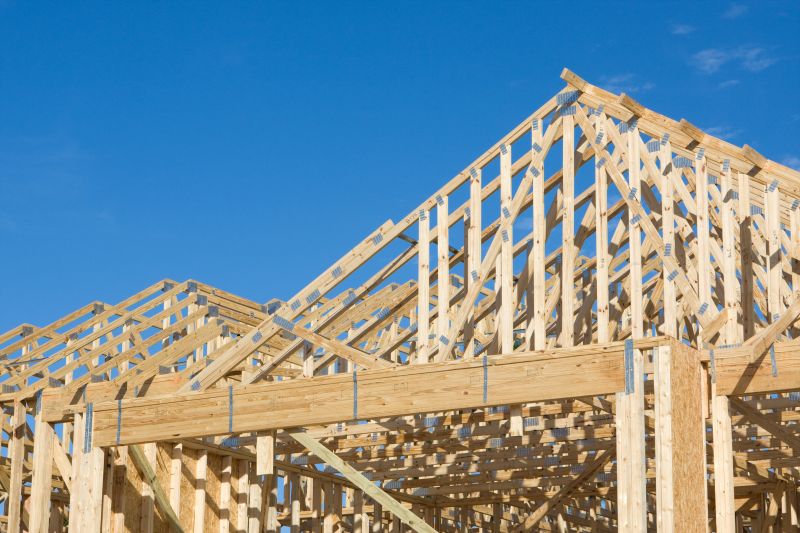
Ideal for moderate weather, reducing delays caused by adverse conditions.
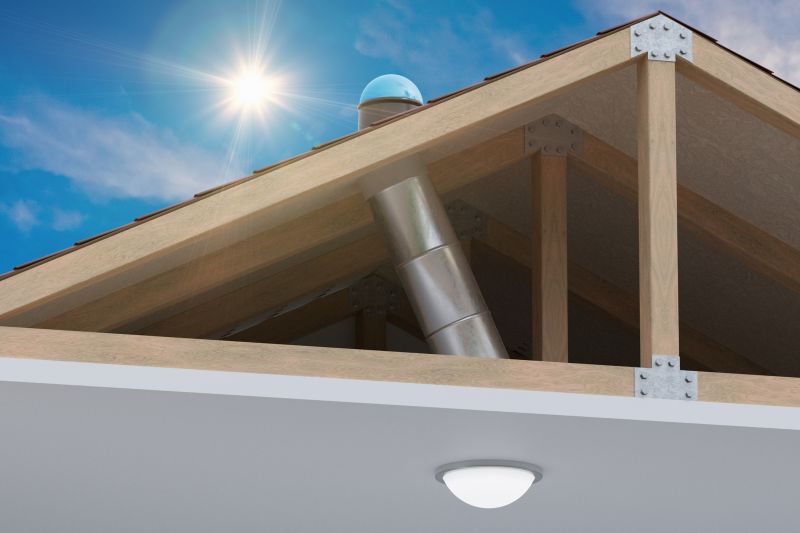
Suitable when temperatures are controlled, but avoid peak heat hours.
Prepares for winter, with stable weather conditions in many regions.
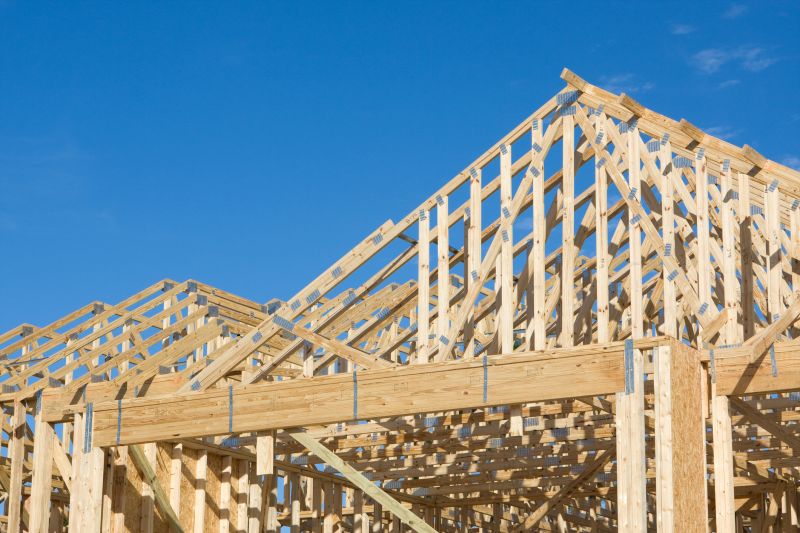
Ways to make Roof Truss Installations work in tight or awkward layouts.
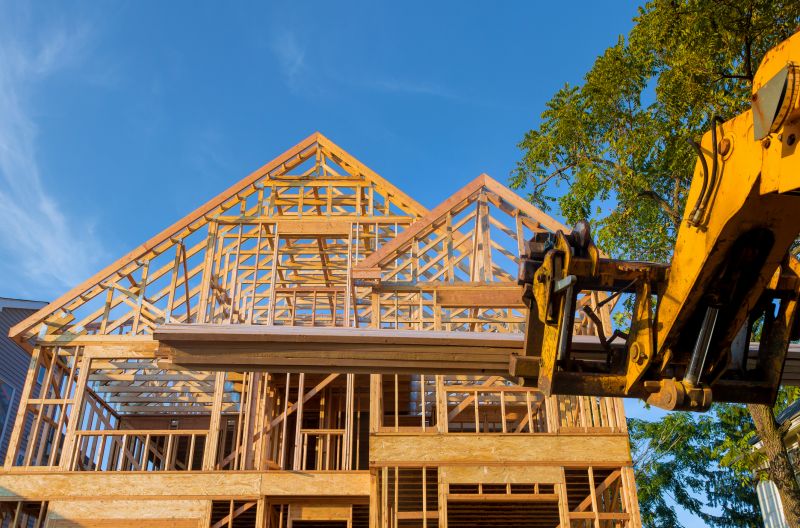
Popular materials for Roof Truss Installations and why they hold up over time.
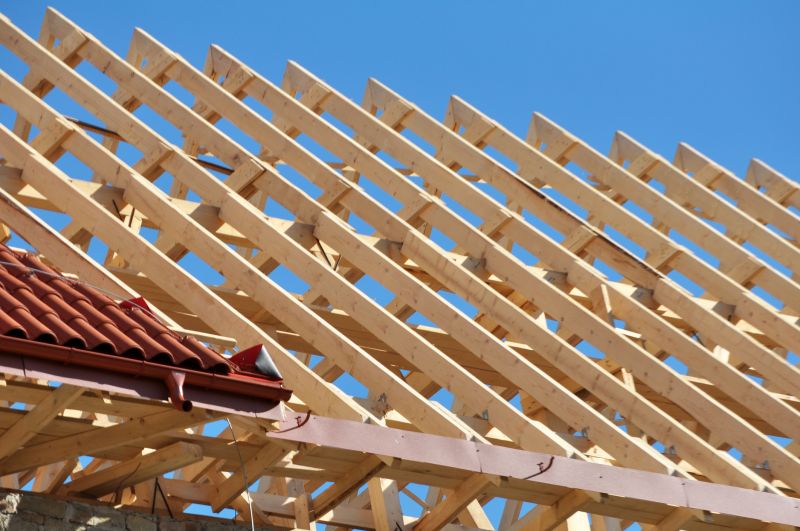
Simple add-ons that improve Roof Truss Installations without blowing the budget.
Roof truss installations are a critical component of roof construction, providing structural support and shaping the roof's design. The process involves precise planning and execution to ensure safety and durability. Proper timing minimizes risks such as weather-related delays and material degradation. Statistically, projects scheduled during optimal seasons tend to experience fewer delays and cost overruns, with weather accounting for up to 60% of construction delays in some regions.
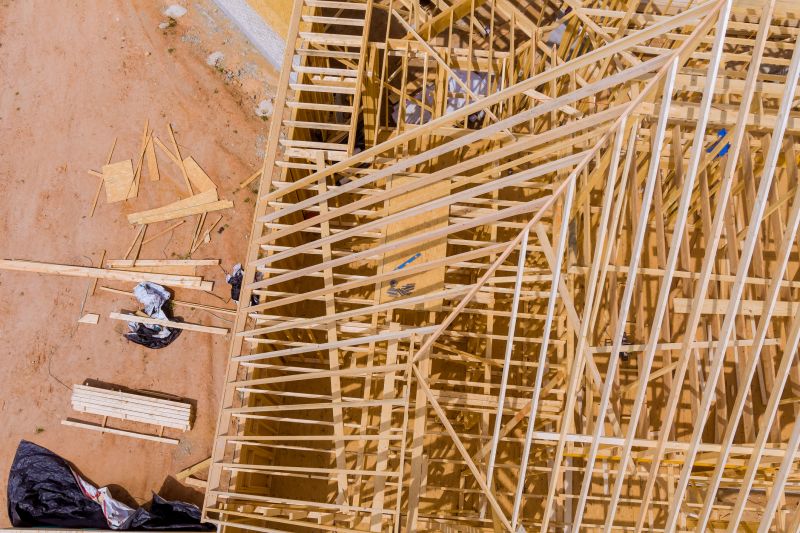
Pre-assembly of roof trusses enhances installation efficiency.
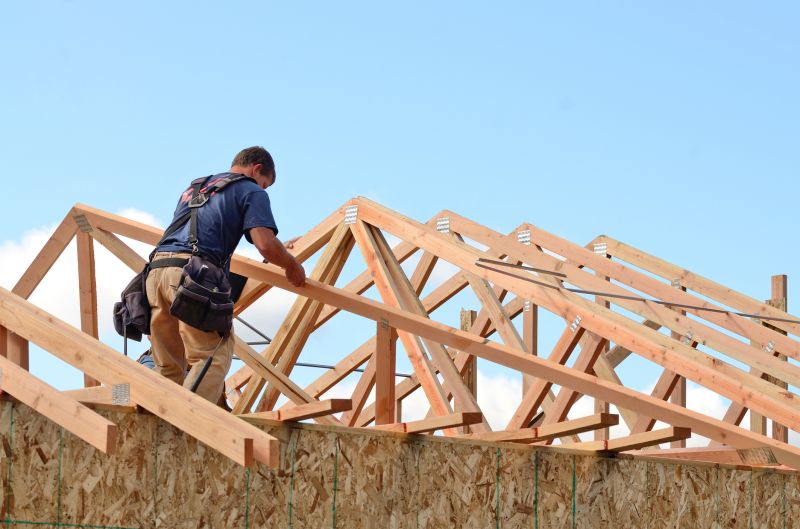
Careful handling and positioning are essential for safety and accuracy.
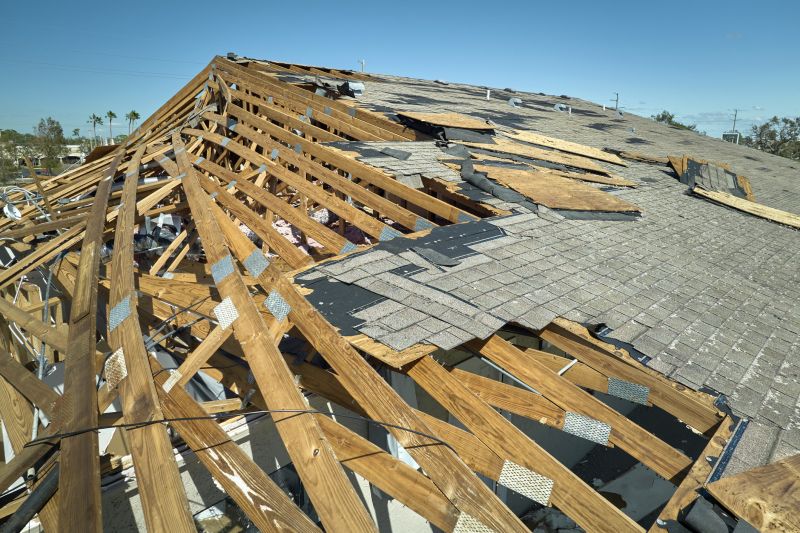
Adverse weather can delay or complicate installation processes.
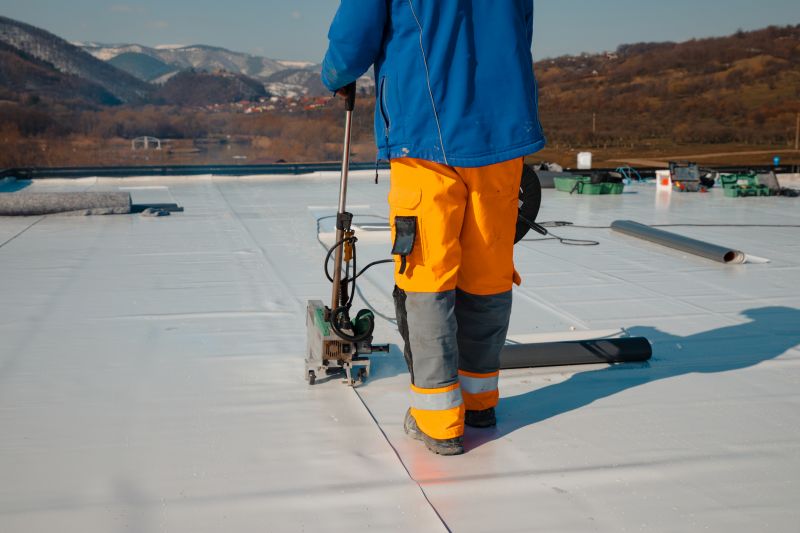
Proper safety protocols are vital during installation, especially in challenging weather conditions.
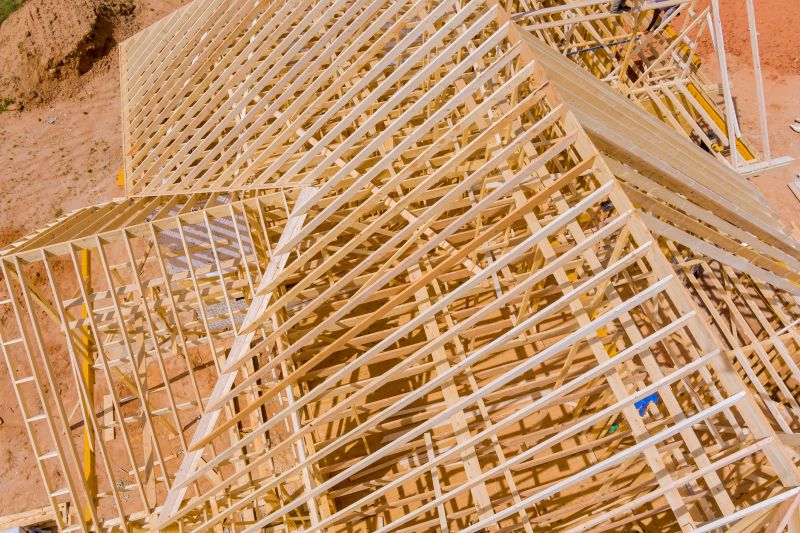
High-end options that actually feel worth it for Roof Truss Installations.
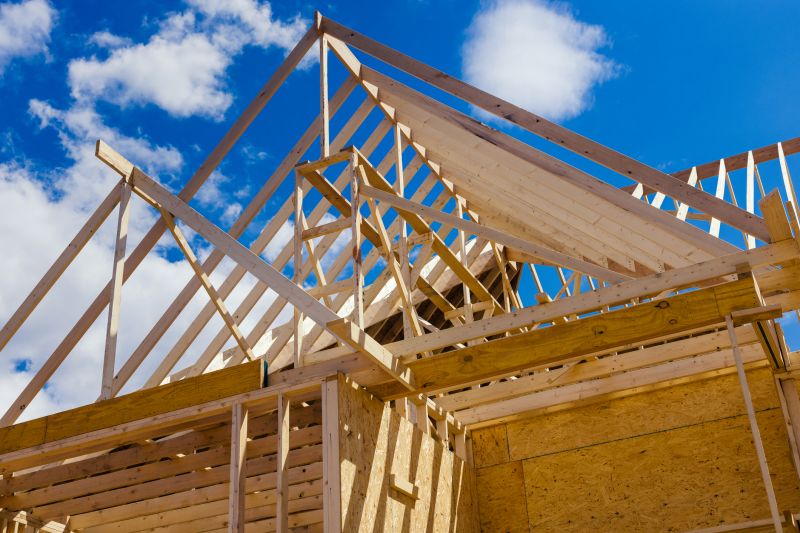
Finishes and colors that play nicely with Roof Truss Installations.
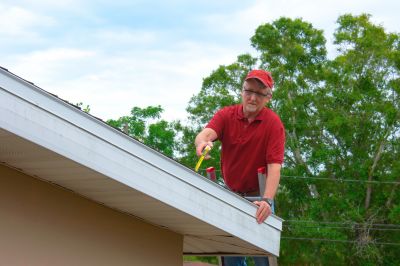
Little measurements that prevent headaches on Roof Truss Installations day.
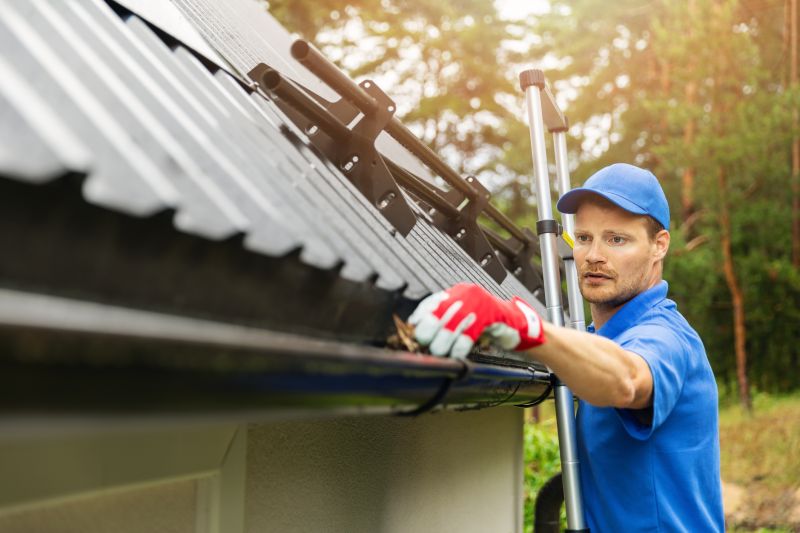
A 60-second routine that keeps Roof Truss Installations looking new.
| Season | Advantages |
|---|---|
| Spring | Moderate temperatures and low precipitation reduce delays. |
| Summer | Longer daylight hours facilitate work; control of temperature is necessary. |
| Fall | Prepares structures for winter; stable weather conditions. |
| Winter | Generally less ideal due to snow and cold temperatures, but possible in milder climates. |
| Late Fall/Early Winter | Limited by weather; requires contingency planning. |
Choosing the right time for roof truss installation can impact project timelines, safety, and quality. Proper planning considers local climate patterns, project scope, and resource availability. Consulting with experienced contractors can help identify the most suitable window for each specific project.
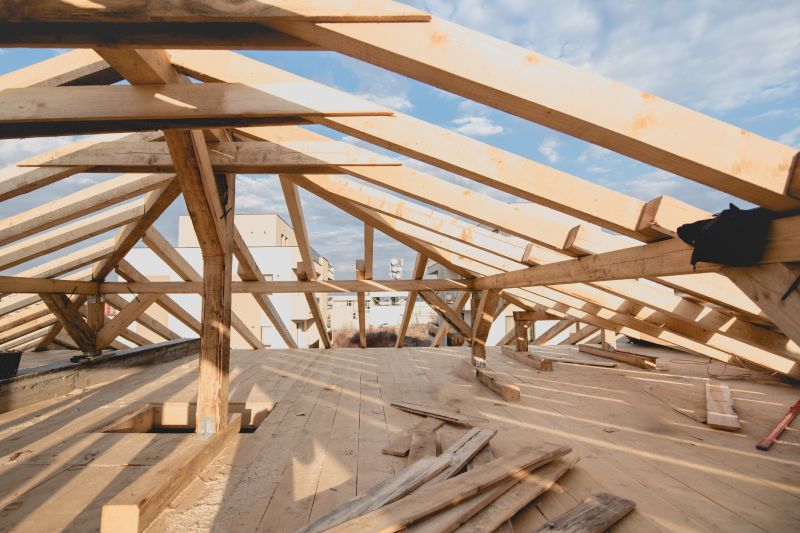
Optimal weather conditions support efficient installation.

Requires planning around high temperatures and potential heat-related risks.
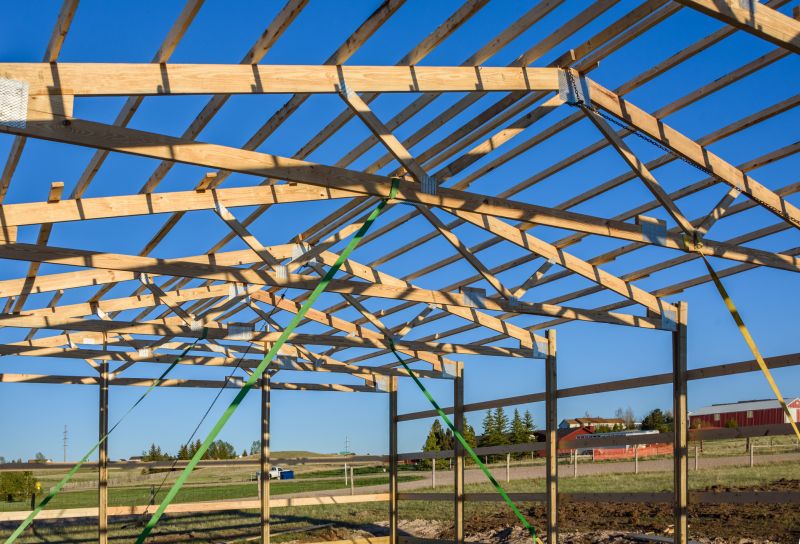
Ideal for preparing structures ahead of winter.

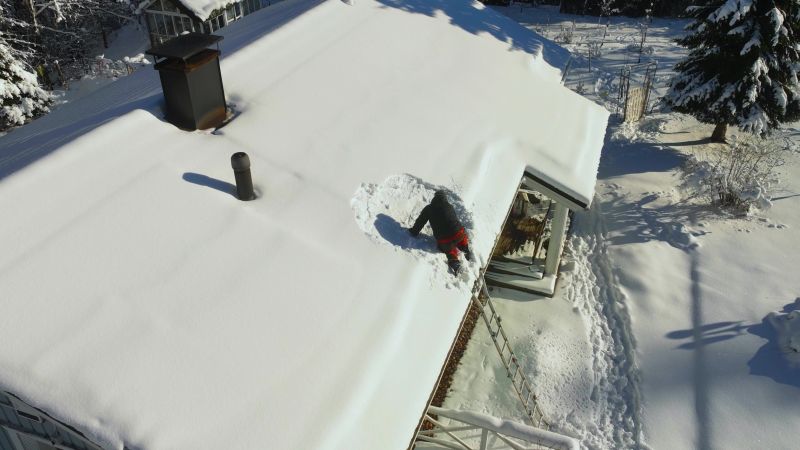
Snow and cold can hinder progress and safety.
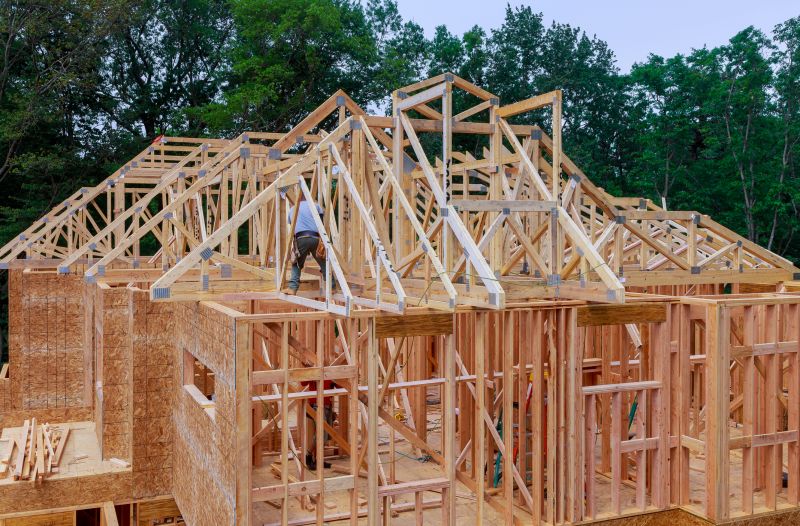
A frequent mistake in Roof Truss Installations and how to dodge it.
Small tweaks to make Roof Truss Installations safer and easier to use.
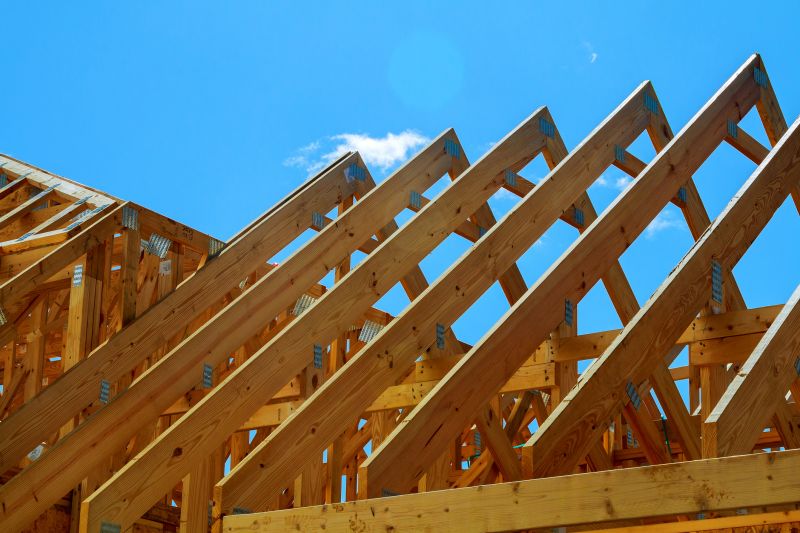
Lower-waste or water-saving choices for Roof Truss Installations.
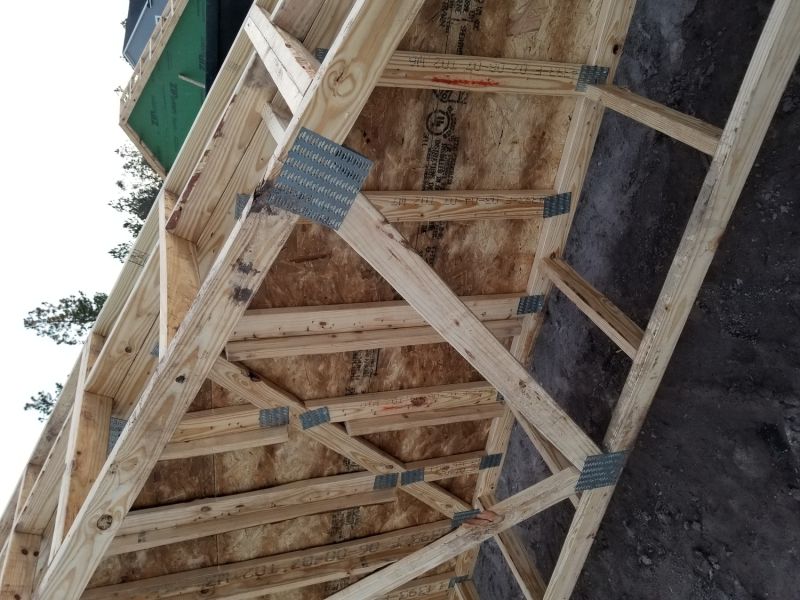
The short, realistic tool list for quality Roof Truss Installations.
Interested parties are encouraged to contact for further information about scheduling roof truss installations. Proper timing ensures efficiency, safety, and quality outcomes for roofing projects.